In the hyper-competitive global market, data is the new power that possesses immense possibilities for organizations.
Irrespective of the industry, relevant data can help businesses gain critical market trends, competitor strategies, and overall market dynamics.
For online sellers, offering high-quality products is not enough, they need to keep a sharp eye on what their competitors are doing in real time.
That’s where eCommerce data scraping comes into picture.
Whether you own a small eCommerce website or a giant online shopping portal, knowing how to harvest and analyze market data is no longer optional. It helps eCommerce players to stay ahead in the game and make the difference.
In this comprehensive guide, we will explore eCommerce data scrapping, how it works, and its importance to beat your competitors.
What is eCommerce Data Scraping?
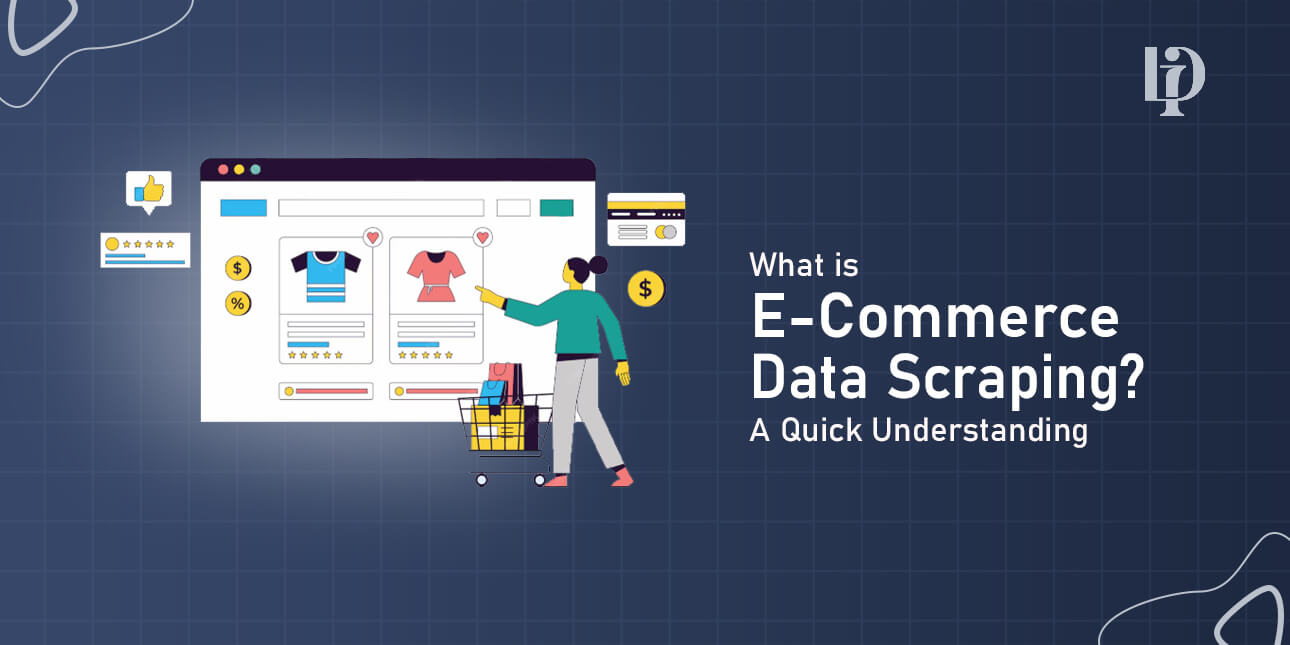
It is an automated process of extracting vast amounts of data from online retail websites and mobile applications. Scraping such information manually (manual scraping) is time-consuming and might invite errors. In eCommerce data scraping, software bots or crawlers visit these websites, read the underlying code, and export the data into structured formats like CSV, Excel, or JSON.
What Information Business Can Gather through eCommerce Data Scraping?
Businesses can get a wide range of information with the rightly designed and implemented eCommerce data scraping strategy:
- Product Details: Businesses can fetch product details like titles, descriptions, SKUs, and categories.
- Pricing Intelligence: Get insights such as current prices, discounts, and historical price trends.
- Inventory Levels: Scrape crucial inventory details like stock availability and out-of-stock statuses.
- Customer Sentiment: Get sentiment details like customer reviews, ratings, and common complaints.
- Competitor Moves: Get real-time competitors like new product launches and promotional banners.
What is The Difference Between eCommerce Data Scraping and App Data Scraping?
eCommerce data scraping is the old method and is specifically used for eCommerce websites. However, in recent years, the mobile-first approach has created a need for a new data scraping method, called eCommerce app data scraping.
- Web Scraping: This method specifically targets the desktop or mobile versions of a website. It mainly involves parsing HTML and CSS to find data.
- App Scraping: It involves intercepting API calls or using mobile emulators to extract data from within eCommerce shopping mobile apps. Today, most online deals are “app-only,” app scraping has become a critical component of online eCommerce data scraping strategies.
What Are the Benefits of Online eCommerce Data Scraping Strategy?
The retail world moves at lightning speed. Most eCommerce players keep changing their product prices multiple times in a day. Without automated data scraping, you would not be able to compete with them. Hire professional eCommerce data scraping services with a proven track record to stay ahead of your competitors.
Here are the benefits of designing and implementing an online eCommerce data scraping strategy:
Dynamic Pricing Strategy:
The most common use of eCommerce data scraping is price monitoring. If your competitor reduces the price by $2, an automated scraper can trigger an alert, allowing your system to adjust price instantly to get the most out of the move.
Market Trend Analysis:
with real-time data scraping from multiple platforms, businesses can identify trending products and buying patterns. For example, a keyword named “eco-friendly yoga mats” suddenly sees a surge in reviews on eBay data scraping reports, it simply asks you to note it and do the needful.
MAP Compliance:
For manufacturers, it is crucial to know that third-party sellers are not undercutting their Minimum Advertised Price (MAP). Data scraping allows businesses to police the internet and protect their brand value.
Deep Dive: Scraping the Big Three
When we talk about eCommerce data scraping, three names pop up immediately: Amazon, eBay, and Walmart. Each of these brands presents unique challenges and rewards. We will talk about all three brands and data scraping challenges and rewards.
Amazon Data Scraping:
Amazon is the largest source of retail data in the world. With Amazon data scraping, businesses can get insights into the “Buy Box” winners, search rankings, and thousands of customer reviews.
However, businesses must remember that Amazon has the best and most sophisticated anti-bot protections globally. If you want to scrape Amazon successfully, you will need the following:
- Residential Proxies: Proxies mimic real user IP addresses.
- CAPTCHA Solvers: They help bypass automated security checks.
- Browser Fingerprinting: It helps make your bot look like a human using a Chrome or Safari browser.
eBay Data Scraping:
eBay offers new and old, used products. eBay data scraping can be helpful for businesses who want to know the “sold” price of items. With such sold prices, businesses can find the true market value better than the listing price. For arbitrageurs and collectors, such information can be crucial.
Walmart Data Scraping:
As Walmart expands its digital marketplace, Walmart data scraping has become vital, especially for grocery and household goods retailers. The website structure of Walmart is different from Amazon and it requires scrapers to handle heavy JavaScript rendering to see the full product details.
How eCommerce Data Scraping Works?
If you want to know how to scrape an eCommerce website, we have covered in brief:
- Request: It starts with a request. The scraper sends a HTTP request to the targeted URL, such as Amazon product page.
- Parsing: The scraper receives the HTML code of the page. Then it uses “selectors” (CSS or XPath) to find specific bits of data, such as price tags or product names.
- Extraction: The software pulls that specific text or image URL out of the code.
Storage: The data is cleaned first and saved into a database or spreadsheet for analysis.
Note: Ensure that you extract highly accurate data from eCommerce websites or apps to get the best results. Keep updating the scraper code to maintain high accuracy.
The Legal and Ethical Landscape in 2026
Is eCommerce data scraping legal? Generally, the answer is yes– provided you scrape publicly available data. However, there are some considerations you need to keep in mind:
- Respect Robots.txt: This is a file you will find on every website that tells bots which pages they are allowed to visit.
- Don’t Overload Servers: Be smart while sending requests. Sending too many requests frequently to a particular website will be considered as a “Denial of Service” (DOS) attack. Some businesses send 10,000 requests per second, which is a poor practice and will give you no returns.
- Avoid Personal Data: It is not recommended to scrape user profiles or private messages as such practice violates privacy laws like GDPR and CCPA.
Note: Some companies now go for “Ethical Scraping” certifications to prove that they handle data responsibly and don’t infringe on intellectual property.
Choosing the Right eCommerce Web Data Scraping Tool
There are three main options when it comes to eCommerce web data scraping tools.
- No-Code Tools: These tools are the best for non-technical marketers. Some examples are Octoparse and ParseHub.
- Scraping APIs: These APIs are ideal for developers who want to skip proxy management. Scrapingbee and ScraperAPI are the most used scraping APIs.
- Custom Frameworks: For large-scale, high-complexity operations, businesses prefer custom frameworks like Python (Scrapy) and NodeJS (Puppeteer)
Conclusion
Transform raw web or app eCommerce data into actionable, real-time data that helps businesses to monitor competitors, market trends, and inventory levels. With eCommerce data scraping, gain a window into your competitors’ warehouses and customers’ minds.
Choose the professional eCommerce data scraping service provider like Diya infotech with a proven track record in the domain. They are rich in resources and have a team of experienced professionals to carry out the task professionally.